Kuwait Reef Ball Company
Licensed Reef Ball™ Contractors
Gulf and Middle East Region
Mike Symns – General
Manager
Kuwait Reef Ball
Company
P O Box 29643
Safat 13157, Kuwait
Tel: 00 965
2465962/9385681
Email: info@kuwaitreefball.com
A wholly owned
subsidiary of EcoSeas
Kuwait Reef Ball Company
Licensed Reef Ball™ Contractors
Gulf and Middle East Region
About us
Our
mission statement:
“To
rehabilitate our coastal waters and marine environment that will conserve,
develop and educate”
Kuwait Reef Ball Company, set-up to serve
the Gulf & Middle East Region, is part of the global Reef Ball Development
Group (RBDG) family who has over ten years of unique experience and are USA
based. Our expertise is fully backed by
the RBDG with over half a million Reef Balls deployed worldwide on over 4,000
projects.
We love providing solutions for people that want to ‘put something back’
that will definitely help the sea’s ecosystems quickly and economically. Call or email Mike Symns, General Manager, to
discuss:
- Ecological
designed artificial reefs using the latest Reef Ball technology for diving
& tourism, fish & marine life habitation, environmental
improvement, business benefits contribution to the community and study
& research
- Manufacture and
supply of Reef Balls
- Marine Deployment
- Site Selection
and consultancy
- Monitoring
programs
- Coral Propagation
and transplant projects
- Proven reef
moorings
- Mitigation/community
support
- Educational and
children’s programs
Kuwait Reef Ball Company is a wholly owned
subsidiary of EcoSeas, a marine environment consultancy group.
Kuwait Reef Ball Company
Licensed Reef Ball™ Contractors
Gulf and Middle East Region
What is a Reef Ball?
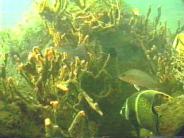
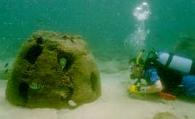
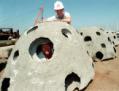
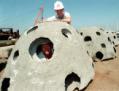
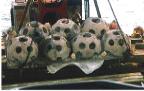
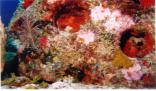
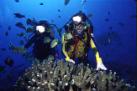
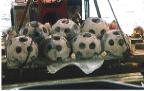
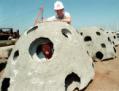
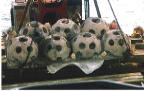
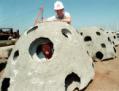
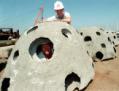
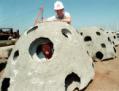
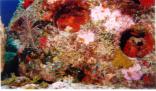
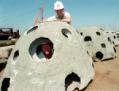
A Reef Ball is a designed artificial reef
module that imitates the appearance and function of natural coral reefs. They
are by far the most used designed artificial reef structure in the world due to
its many unique features. Reef Balls
vary in size, thickness and height so that each module is different for various
goals and applications, just like natural reefs.
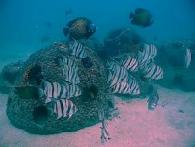
Reef Balls have scientifically designed
openings and canals that make an ideal living environment for a great variety
of marine species. The size of the holes permits different size of fish to
inhabit the artificial reef. Normal
rounded holes are designed specifically to create vortexes (whirlpools) around
the reef ball units, which are important biologically as they bring in and
disperse nutrients around the reef. The
special concrete mix, with a pH similar to seawater, assures strength and
compatibility with the ocean. A variety
of surface textures that enhance the settlement of marine life are applied in
the construction process.
Reef Balls – the environment friendly
solution!
Reef Ball design and technology is patented
and copyrighted internationally.
Unauthorised imitations are illegal and inferior in both stability,
concrete composition and biological activity.
Kuwait
Reef Ball Company
Licensed Reef Ball™ Contractors
Gulf and Middle East Region
Why do we need Reef Balls?
-
To meet the
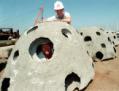
demand for immediate action on environment protection. Man’s activities and natural disasters
have led
to a reduction in our
natural reef systems.
Natural reefs cannot
rebuild themselves fast
enough to meet human
demands. Long-lasting
artificial reefs are
useful tools for restoring our
reef systems to a
natural and productive balance.
Reef Balls can produce
about 180kg of bio-mass
(animal or plant life) each year
- To promote coral
growth and propagation to support the development and regeneration of
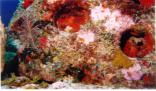
reefs. Coral reefs are the most
productive and diverse of all natural ecosystems. Their contribution to marine
biodiversity is enormous and the resources they produce are vital for our
coastal communities everywhere
- More
opportunities for study and research helps develop our knowledge and
understanding of our local seas and environment.
- To encourage a greater
number of marine organisms which in turn provide food, shelter and
protection for fish for local recreational fisherman as well as the
Artisanal fisherman earning a living.
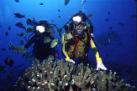
- To build and
protect our natural beaches from erosion and provide safe swimming areas
with the enjoyment of seeing the biological benefits for scuba and snorkel
divers.
Kuwait Reef Ball Company
Licensed Reef Ball™ Contractors
Gulf and Middle East Region
Who
needs Reef Balls?
Everyone who wants to take action and
contribute to improving the environment, including:
- Environment
Agencies – support the restoration of our Gulf’s aquatic ecosystems and
the opportunities for scientific research and study
- Corporate
sponsors - giving back for
benefits taken
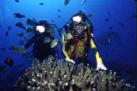
- Dive Clubs and
Tourists – for a fuller and complete dive experience to view a wider
range of species of
marine life
- Artisanal
Fisheries – aid the seafood industry by creating fish nursery habitats to
allow larger but sustainable harvests for local fishermen
- Breakwater
Builders – to protect our natural beaches
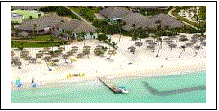
- Marine/Hotel
Developers – encourage
tourists with your own
reef on the doorstep
- Fishing Clubs -
private reefs with more fish to catch!
- Petroleum
companies - for public relations and
mitigation
- School Study
Groups – get our children involved
and help them learn
about their oceans
Kuwait Reef Ball Company
Licensed Reef Ball™ Contractors
Gulf and Middle East Region
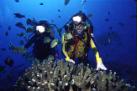
Construction and Deployment
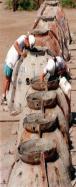
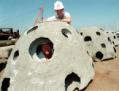
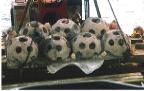
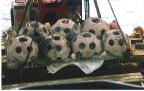
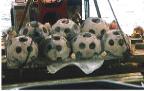
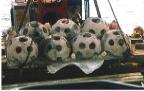
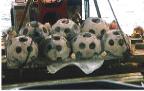
Reef Balls are made by pouring concrete
into a fiberglass mold
containing a central Polyform buoy
surrounded by various sized
inflatable balls to make holes. This buoy can be left in place to
provide flotation so it can be towed behind
any size boat to the
deployment site, making Reef Balls also
ideally suited for projects
with restricted beach access.
Reef Balls come in a variety of sizes:
Specification Table
|
Style
|
Size (m)
|
No. Of Holes
|
Weight (kg)
|
|
Super
|
2.0 x 1.5
|
22-34
|
1820-2730
|
|
Ultra
|
1.8 x 1.4
|
22-34
|
1590-2050
|
|
Reef
|
1.8 x 1.2
|
22-34
|
1360-1900
|
|
Pallet
|
1.2 x 0.9
|
17-24
|
680-1000
|
|
Bay
|
0.9 x 0.6
|
10-16
|
170--340
|
|
Mini-Bay
|
.76 x .53
|
8-12
|
50-60
|
|
Oyster
|
0.5 x 0.3
|
6-8
|
11-20
|
Because of their unique patented design,
Reef Balls are completely stable. All
sizes of Reef Balls have withstood, without movement, hurricanes and heavy
tropical storms.
To define the
configuration of your designer reef we will need to understand your goals and
aims to ensure the optimum size and style of reef ball is used. Our qualified consultants will help you
determine what is needed.
Kuwait Reef Ball Company
Licensed Reef Ball™ Contractors
Gulf and Middle East Region
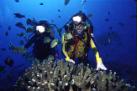
Site Surveys
Ensure your project is a success - Our
expert global reef consultants have over ten years and 4000 projects worth of
experience so can review, refine and prioritise the biological and other goals
of your project.
Kuwait Reef Ball Company can:
- Review
stakeholder views and goals including local fishing interests,
governmental interests, scientific and other interests to determine
potential sites for underwater survey work to determine if the potential
sites are suitable for artificial reef development
- Review relevant
inputs including bathometric, tidal, wave climate and water quality
parameters and other available scientific data
- Perform dive
survey work (accompanied by stakeholder personnel divers if desired) to
gather suitability data
- Produce final
analysis and recommendations
We will ensure that all elements required
for a successful designed reef are met; specific elements could include a large
range of biological (such as hole sizes, surface texturing, mixture of sizes,
clustering requirements, other layout features, concrete mixture changes etc)
or physical elements (anchoring systems, subsidence avoidance features,
stability analysis/minimum weight recommendations, etc).
Call or email us to discuss your specific
requirements now.
Kuwait Reef Ball Company
Licensed Reef Ball™ Contractors
Gulf and Middle East Region
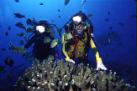
Reef Maintenance and
Monitoring
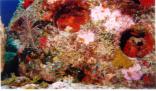
An effective and regular monitoring plan
for your reef project is essential to provide feedback to ensure that your
goals are achieved and allow scientific research/studies on your project.
Our expert consultants can compile a plan
to meet your specific objectives.
- Site
characterization to help determine the need for further studies and
provide the basic information needed for planning future work
- Species diversity
- Species density
- Fish Censuses
- Sand bio-sampling
- Compliance
monitoring
- Identification
& area measurement of impacts such as anchor damage or coral bleaching
- Reef buoys to
mark the areas and mooring buoys for boats
‘Reef Watch’ is a marine security service
we can also provide. We can define
protected areas for mooring and warning purposes using the latest reef mooring
buoys and monitor and report any illegal access to protected reef areas.
For further information on these services
please call or email us.
Kuwait Reef Ball Company
Licensed Reef Ball™ Contractors
Gulf and Middle East Region
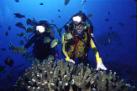
Coral Propagation and Transplant Projects
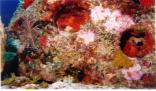
Coral reefs are among the most productive
and diverse of all natural ecosystems with the resources they produce being
vital for coastal communities everywhere.
Increasingly threatened by the effects of pollution, sedimentation,
construction, over-fishing and climatic changes, coral reefs need our help!
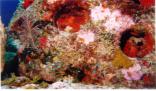
The Reef Ball Foundation, in conjunction with
numerous experts and scientists have developed a coral propagation and
transplant system that allows Reef Balls to be ethically and safely “seeded”
with nearly any species of hard or soft coral.
This seeding process can speed up the development of a coral reef
community on Reef Balls making a viable coral reef possible in just a few
years.
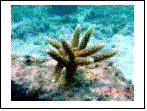
Some of the faster growing coral species can reach
22”
of branching growth from a 1” transplant in just
8.5 months. All the fragments used come from imperiled corals. It is also possible to propagate corals that
have natural resistance to threats such as pollution, etc.
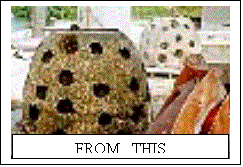
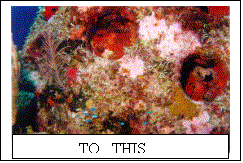
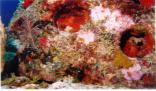
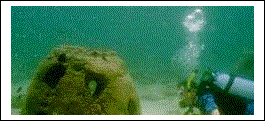
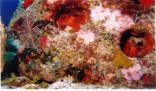
Seeded reef balls are much more than artificial
reefs; they are in fact, infant natural reefs destined to become mature coral
reef ecosystems over time. The
propagation survival rate factor using our methods is between 85% to 99%!
SPONSOR A CORAL TRANSPLANT - If you would like to
learn more or find out about sponsoring a Coral Transplant Tool Kit call or
email us now.
Kuwait Reef Ball
Company
Licensed Reef Ball™ Contractors
Gulf and Middle East Region
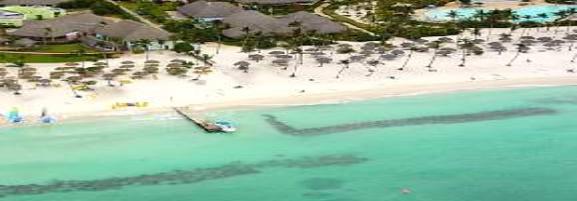
Submerged Breakwaters
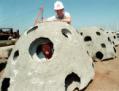
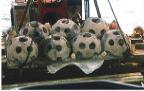
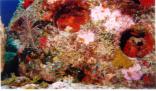
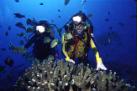
Reef Balls
have very unique properties when used as a submerged breakwater. Most breakwater technologies are designed
around the fact that the more “perfect” of a wave break one gets, the less
energy makes it to the beach. What’s
really happening is when a wave break is converted from waveform into fluid
flows (current); a good break sends the current in all directions rather than
just toward the beach (where sand can be eroded by currents).
In order for
Reef Balls to make a good wave break they must be close to the surface, in rows
parallel to the expected waves and wide enough to break the expected wave
size. So, just by good design, you can
get a great wave breaking submerged breakwater and all the biological
benefits of a Reef Ball. Reef Balls
also work in other ways which do not occur with other breakwaters. The vortex holes in the Reef Balls cause
whirlpools which create drag on the current flows created when a wave converts
from waveform to current flows (breaking) – in other words, Reef Balls
attenuate current flows as well as act as a traditional submerged breakwater. Reef
Balls have also been scientifically observed changing wave types – as waves
pass over the Reef Ball, the specific type of wave changes to other forms.
Design of a Reef Ball breakwater requires
specialist expertise that must be used in all our projects to ensure correct
application.
If you would like more information we can arrange a visit by our global
consultant specializing in breakwater technology
Kuwait Reef Ball Company
Licensed Reef Ball™ Contractors
Gulf and Middle East Region
Corporate Sponsorship
Does your company desire a green positive image?
Interested in great press coverage?
What can you do?
·
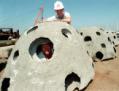
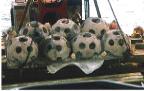
You can be an important partner in helping to preserve and restore our
marine environment by participating in our Adopt a Reef Ball program.
- Dedicate an
everlasting reef in your company’s name - have your company’s name or logo
incorporated into an everlasting reef.
- How about an
employee community day? – with each persons name inscribed on their “own”
reef ball.
- Sponsor a coral
transplant on our local reefs and we will provide regular updates on how
your coral ‘seedlings’ grow over the months and years
- Support marine
research and understanding – you provide the chance for local scientists
to improve
- Assist in funding
our educational program – support our children’s study and let parents
know who is helping their children’s education
- Perhaps a fishing
or diving reef – just to do some good and help the community or enjoy the
benefits yourselves!
Kuwait Reef Ball Company can tailor a
project just for your company’s needs.
Give something back to the sea AND the nation now! Call or
email us for further information on any of the above programs.
Kuwait Reef Ball Company
Licensed Reef Ball™ Contractors
Gulf and Middle East Region
Education and children’s programs
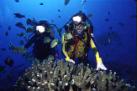
We believe in the importance of educating
the public, especially our children, about the
threats to our marine ecosystems. These educational programs heighten
community awareness to the importance of preserving our ocean ecosystems by
bringing together community organizations, schools and businesses to
participate in Reef Ball programs.
If you are a school principal, a teacher,
an Environmental Agency/Ministry or a company that cares and wants to get the
message over, then Kuwait Reef Ball Company can help.
We can provide:
- Educational
material on the coral reef
ecosystem
- Assistance with
displays, etc for
conferences and
seminars
- Mini aquarium
size reef balls for school projects
- Educational and
fun activity packs for teachers to incorporate into their curriculum
- Public speakers
for schools, businesses and conferences
Start your program with a call
to us!
Kuwait Reef Ball Company
Licensed Reef Ball™ Contractors
Gulf and Middle East Region
Call or email us if you want more
information on:
COMPANIES
·
IMPROVING YOUR COMPANY’S IMAGE BY HELPING THE
ENVIRONMENT
·
SPONSORING YOUR OWN COMPANY REEF
·
ADOPTING REEFBALLS
·
SPONSORING A CORAL TRANSPLANT KIT
·
SUPPORTING A SCHOOL EDUCATION PACK PROGRAM
HOTELS
·
IMPROVING YOUR HOTEL’S IMAGE BY HELPING THE
ENVIRONMENT
·
BUILDING YOUR OWN REEF ON THE DOORSTEP
·
CREATING A BREAKWATER FOR CALM SAFE SWIMMING AREA
·
DESIGNING A SNORKELING OR DIVING REEF FOR GUESTS
·
DEVELOPING YOUR DIVE TOURISM PLANS - VISITORS FOR
THE FUTURE
FISHERMEN
·
BUILDING YOUR OWN PRIVATE FISHING REEF KNOWN ONLY
TO YOU
·
CREATING THE HABITAT FOR OFFSHORE OR DEEPWATER
FISHING
DIVERS
·
BUILDING YOUR OWN PRIVATE DIVING REEF KNOWN ONLY TO
YOU
·
CREATING THE HABITAT FOR OFFSHORE OR DEEPWATER
DIVING
·
USING REEF BALLS AS AN UNDERWATER NAVIGATION TOOL
FISHERIES
·
DEVELOPING ‘BREEDING AND GROWING’ HABITATS FOR
DIFFERENT SPECIES
·
MAINTAINING AND ENHANCING YOUR MARINE RESOURCES
Call Mike Symns, General Manager, on 00 965 2465962
or 00 965 9385681
Fax: 00 965 2465964 Email: info@kuwaitreefball.com